
Pharmaceutical
Integrating traditional Chinese and Western medicine to expand the health industry, with a multi-brand and diversified product portfolio.

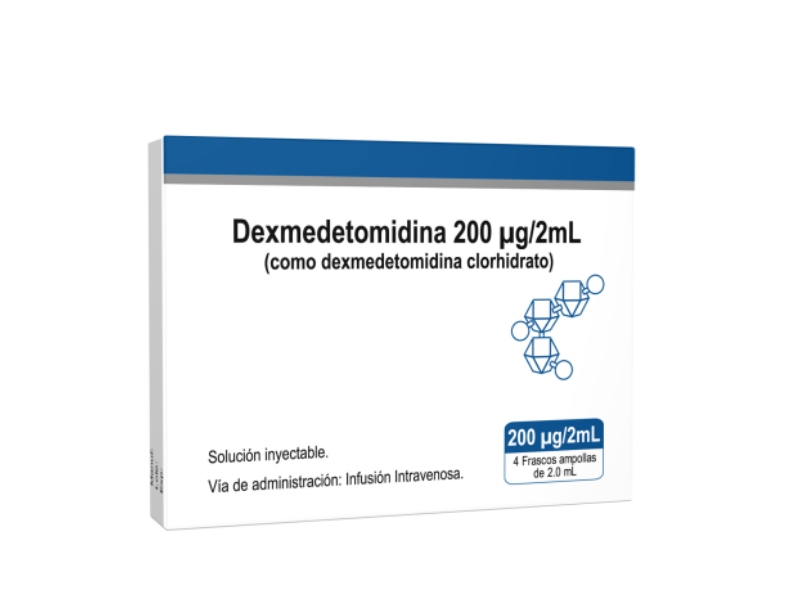
Dexmedetomidine Hydrochloride Injection
Dexmedetomidine Hydrochloride Injection
Strength: 2ml: 0.2mg
Indications: A relatively selective alpha2-adrenergic agonist indicated for: Sedation of initially intubated and mechanically ventilated patients during treatment in an intensive care setting. Administer Precedex by continuous infusion not to exceed 24 hours. Sedation of non-intubated patients prior to and/or during surgical and other procedures.
Dosage & administration: For Adult Intensive Care Unit Sedation: Generally initiate at one mcg/kg over 10 minutes, followed by a maintenance infusion of 0.2 to 0.7 mcg/kg/hour.
For Adult Procedural Sedation: Generally initiate at one mcg/kg over 10 minutes, followed by a maintenance infusion initiated at 0.6 mcg/kg/hour and titrated to achieve desired clinical effect with doses ranging from 0.2 to 1 mcg/kg/hour.
Alternative doses recommended for patients over 65 years of age and awake fiberoptic intubation patients.
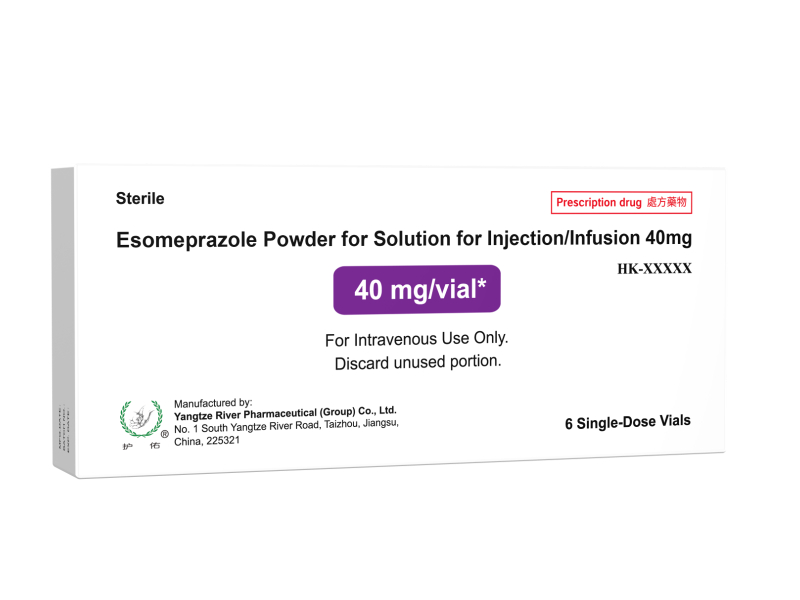
Esomeprazole Sodium for Injection
Esomeprazole Sodium for Injection
Strength: 40mg
Indications: A proton pump inhibitor indicated for the treatment of: Gastroesophageal Reflux Disease (GERD) with erosive esophagitis (EE) in adults and pediatric patients greater than one month of age, when oral therapy is not possible or appropriate. Risk Reduction of Rebleeding of Gastric or Duodenal Ulcers following therapeutic endoscopy in adults.
Dosage & administration:
GERD – with Erosive Esophagitis.
Adults: Dose is either 20 mg or 40 mg NEXIUM given once daily by intravenous injection (no less than 3 minutes) or intravenous infusion (10 minutes to 30 minutes).
Pediatric: Give the following doses once daily as an intravenous infusion over 10 minutes to 30 minutes.
1 year to 17 years: o Body weight less than 55 kg: 10 mg o Body weight 55 kg or greater: 20 mg
1 month to less than 1 year of age: 0.5 mg/kg
For patients with severe liver impairment (Child Pugh Class C), a maximum dose of 20 mg once daily of NEXIUM should not be exceeded.
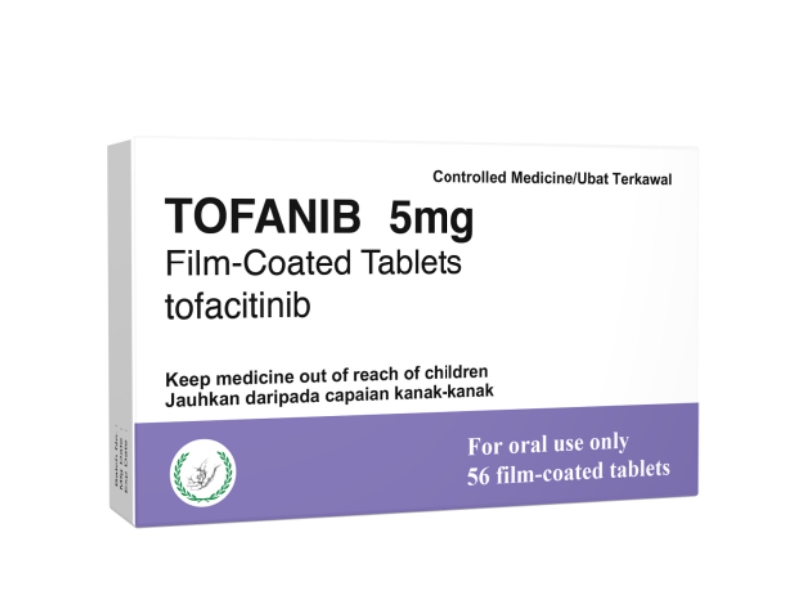
Tofacitinib Citrate Tablets
Tofacitinib Citrate Tablets
Strength: 5mg
Indications:
A Janus kinase (JAK) inhibitor:
Moderately to severely active rheumatoid arthritis (RA), who have hadan inadequate response or intolerance to one or more TNF blockers.
Active psoriatic arthritis (PsA), who have had an inadequate response orintolerance to one or more TNF blockers.
Active ankylosing spondylitis (AS), who have had an inadequateresponse or intolerance to one or more TNF blockers.
Moderately to severely active ulcerative colitis (UC), who have had aninadequate response or intolerance to one or more TNF blockers.
Active polyarticular course juvenile idiopathic arthritis (pcJIA), who have had an inadequate response or intolerance to one or more TNF blockers.
Dosage & administration:
Adult Patients with RA, PsA or AS:
5 mg twice daily;
Pediatric Patients 2 Years of Age and Older with PsA or pcJIA Who Weigh AtLeast 10 kg:
5 mg twice daily for those ≥40 kg orweight-based equivalent twice daily for those <40 kg.
Adult Patients with UC :
5 mg twice daily.
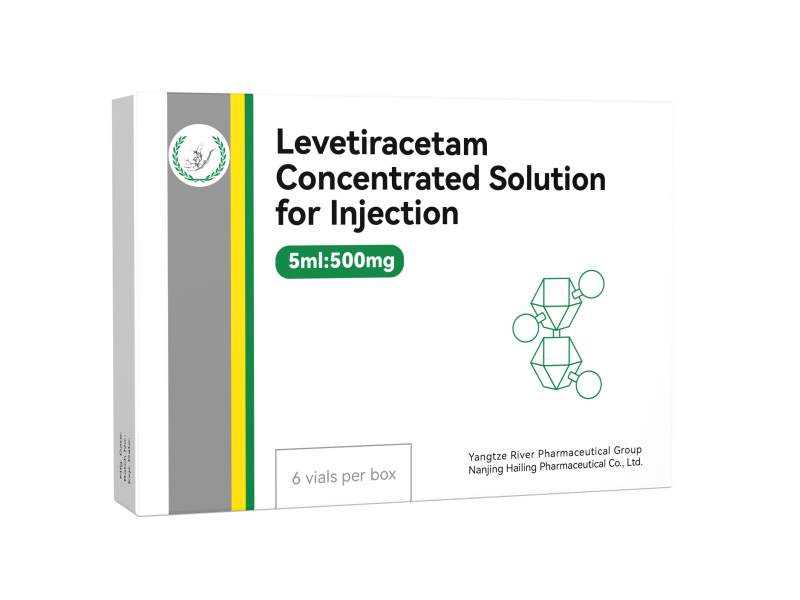
Levetiracetam Concentrated Solution for Injection
Levetiracetam Concentrated Solution for Injection
Strength: 5mL: 500mg
Indications: Indicated for the treatment of partial-onset seizures in patients1 month of age and older.
is indicated for adjunctive therapy for the treatment of Myoclonic seizures in patients 12 years of age and older with juvenilemyoclonic epilepsy or Primary generalized tonic-clonic seizures in patients 6 years of age andolder with idiopathic generalized epilepsy.
Dosage & administration:
Partial-Onset Seizures (monotherapy or adjunctive therapy)
• 1 Month to < 6 Months: 7 mg/kg twice daily; increase by 7 mg/kg twicedaily every 2 weeks to recommended dose of 21 mg/kg twice daily;
• 6 Months to < 4 Years: 10 mg/kg twice daily; increase by 10 mg/kg twicedaily every 2 weeks to recommended dose of 25 mg/kg twice daily
• 4 Years to < 16 Years: 10 mg/kg twice daily; increase by 10 mg/kg twicedaily every 2 weeks to recommended dose of 30 mg/kg twice daily;
• Adults 16 Years and Older: 500 mg twice daily; increase by 500 mg twicedaily every 2 weeks to a recommended dose of 1500 mg twice daily.
Myoclonic Seizures in Adults and Pediatric Patients 12 Years and Older• 500 mg twice daily; increase by 500 mg twice daily every 2 weeks torecommended dose of 1500 mg twice daily.
Primary Generalized Tonic-Clonic Seizures
• 6 Years to < 16 Years: 10 mg/kg twice daily; increase by 10 mg/kg twicedaily every 2 weeks to recommended dose of 30 mg/kg twice daily;
• Adults 16 Years and Older: 500 mg twice daily; increase by 500 mg twicedaily every 2 weeks to recommended dose of 1500 mg twice daily.
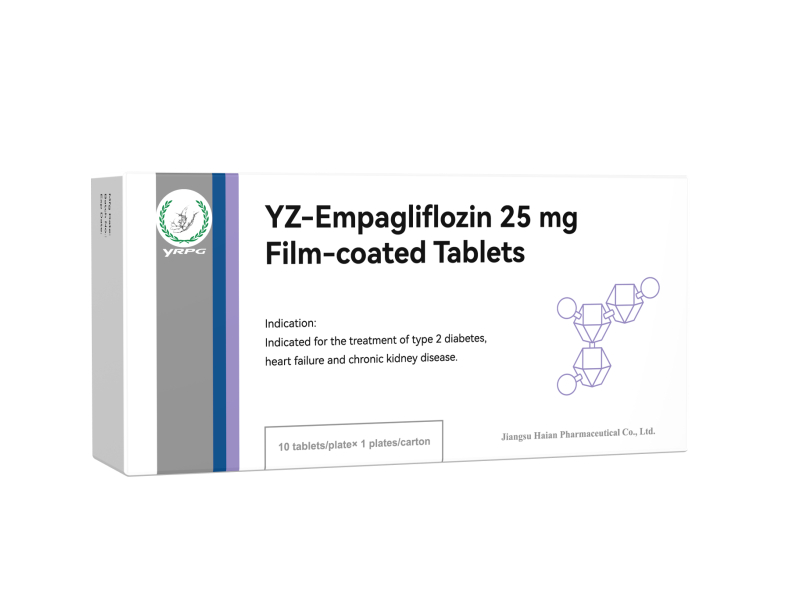
Empagliflozin Tablets
Empagliflozin Tablets
Strength: 10mg;25mg
Indications: A sodium-glucose co-transporter 2 (SGLT2) inhibitor indicated:
To reduce the risk of cardiovascular death and hospitalization for heartfailure in adults with heart failure.
To reduce the risk of sustained decline in eGFR, end-stage kidney disease,cardiovascular death, and hospitalization in adults with chronic kidneydisease at risk of progression.
To reduce the risk of cardiovascular death in adults with type 2 diabetesmellitus and established cardiovascular disease.
As an adjunct to diet and exercise to improve glycemic control in adultsand pediatric patients aged 10 years and older with type 2 diabetes mellitus.
Dosage & administration: Recommended dosage is 10 mg orally once daily in the morning, takenwith or without food.
For additional glycemic control, dosage may be increased to 25 mg orallyonce daily in patients tolerating Empagliflozin.
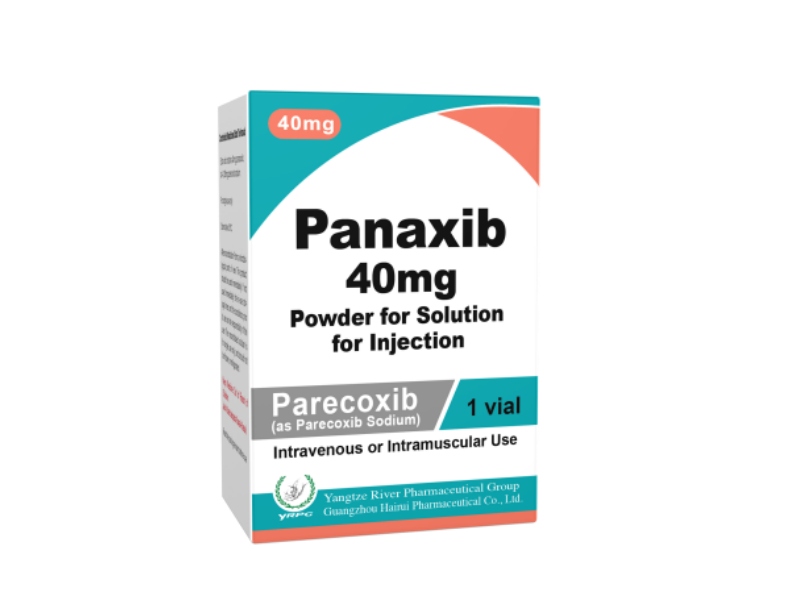
Parecoxib Sodium for Injection
Parecoxib Sodium for Injection
Strength: 40 mg
Indications: For the short-term treatment of postoperative pain in adults.
Dosage & administration: The recommended dose is 40 mg administered intravenously (IV) or intramuscularly (IM), followed every 6 to 12 hours by 20 mg or 40 mg as required, not to exceed 80 mg/day.
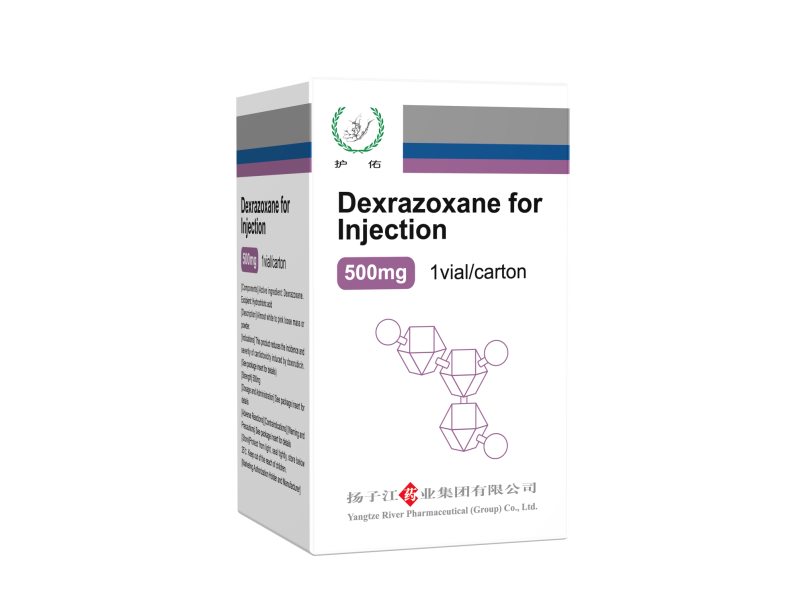
Dexrazoxane for Injection
Dexrazoxane for Injection
Strength: 500 mg
Indications: Indicated for reducing the incidence and severity of cardiomyopathy associated with doxorubicin administration in women with metastatic breast cancer who have received a cumulative doxorubicin dose of 300 mg/m2 and who will continue to receive doxorubicin therapy to maintain tumor control.
Dosage & administration:
Administer dexrazoxane by intravenous infusion over 15 minutes.
DO NOT ADMINISTER VIA AN INTRAVENOUS PUSH.
The recommended dosage ratio of dexrazoxane to doxorubicin is 10:1 (e.g., 500 mg/m2 dexrazoxane to 50 mg/m2 doxorubicin). Do not administer doxorubicin before dexrazoxane. Reduce dose by 50% for patients with creatinine clearance <40 mL/min.
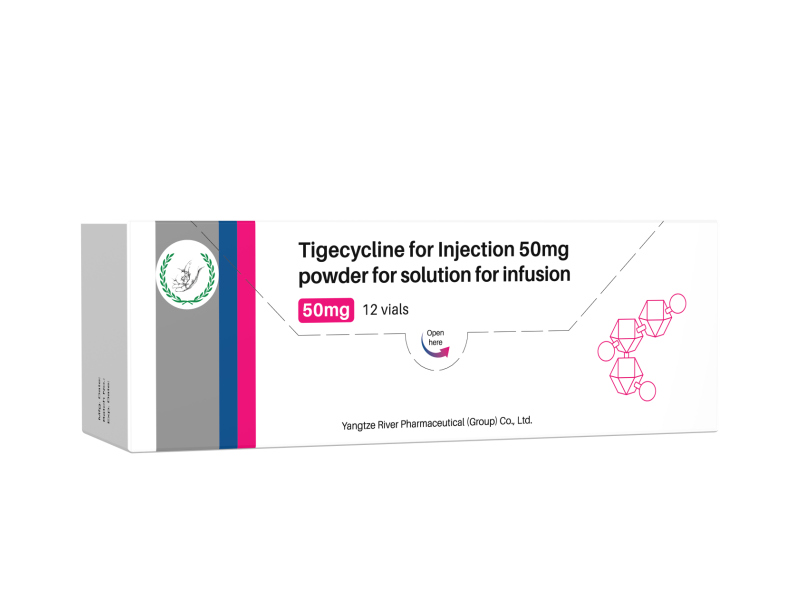
Tigecycline for Injection
Tigecycline for Injection
Strength: 50 mg
Indications: Indicated in patients 18 years of age and older for:
Complicated skin and skin structure infections.
Complicated intra-abdominal infections.
Community-acquired bacterial pneumonia.
Dosage & administration: Initial dose of 100 mg followed by 50 mg every 12 hours administered intravenously over approximately 30 to 60 minutes.
Severe hepatic impairment (Child Pugh C): Initial dose of 100 mg.
followed by 25 mg every 12 hours.
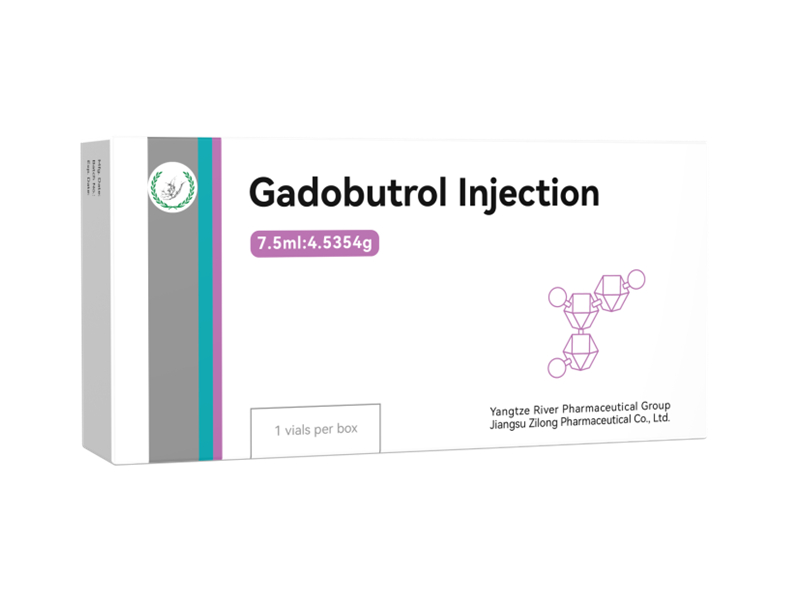
Gadobutrol Injection
Gadobutrol Injection
Strength: 7.5ml: 4.5354g, 15ml: 9.0708g (equivalent to 1 mmol gadobutrol/mL)
Indications: It is a gadolinium-based contrast agent indicated for use with magnetic resonance imaging (MRI).
Dosage & administration: Recommended dose for adults and pediatric patients (including term neonates) is 0.1 mL/kg body weight. Administer as an intravenous bolus injection. Follow injection with a normal saline flush.
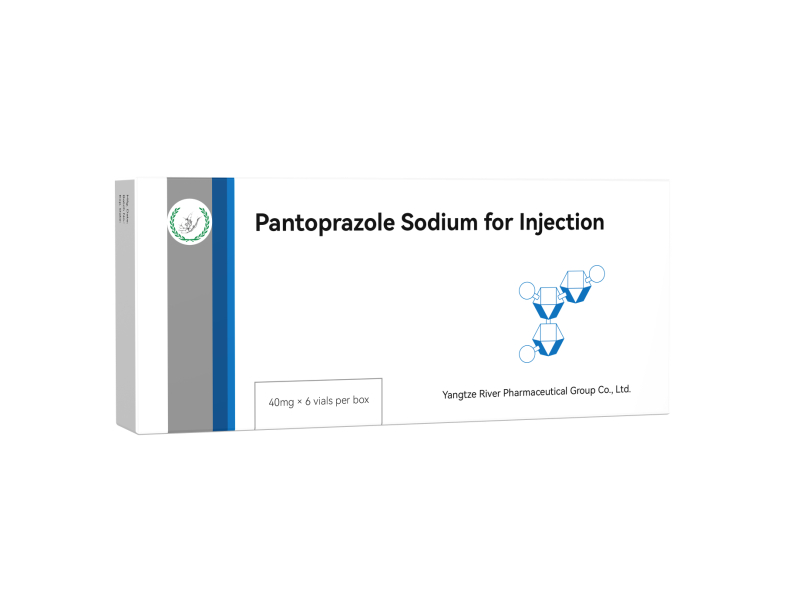
Pantoprazole Sodium for Injection
Pantoprazole Sodium for Injection
Strength: 40mg
Indications: Indicated in adults for the following: Short-term treatment (7 to 10 days) of gastroesophageal reflux disease (GERD) associated with a history of erosive esophagitis (EE). Pathological hypersecretion conditions, including Zollinger-Ellison (ZE) syndrome.
Dosage & administration:
GERD Associated with EE: The recommended adult dosage is 40 mg administered once daily by intravenous infusion for 7 to 10 days.
Pathological Hypersecretory Conditions, Including ZE Syndrome : The recommended adult dosage is 80 mg administered every 12 hours by intravenous infusion.
Administration: Only for intravenous infusion. The intravenous infusion can be administered over 2 minutes or 15 minutes.
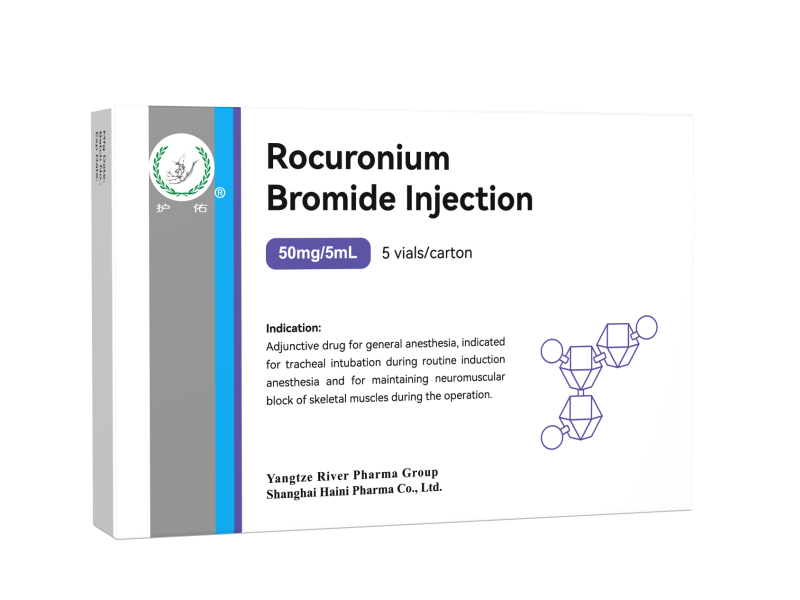
Rocuronium Bromide Injection
Rocuronium Bromide Injection
Strength: 5ml: 50mg
Indications: Indicated as an adjunct to general anesthesia to facilitate both rapid sequence and routine tracheal intubation, and to provide skeletal muscle relaxation during surgery or mechanical ventilation.
Dosage & administration: Tracheal intubation: Recommended initial dose is 0.6 mg/kg.
Rapid sequence intubation: 0.6 to 1.2 mg/kg.
Maintenance doses: Guided by response to prior dose, not administered until recovery is evident.
Continuous infusion: Initial rate of 10 to 12 mcg/kg/min. Start only after early evidence of spontaneous recovery from an intubating dose.
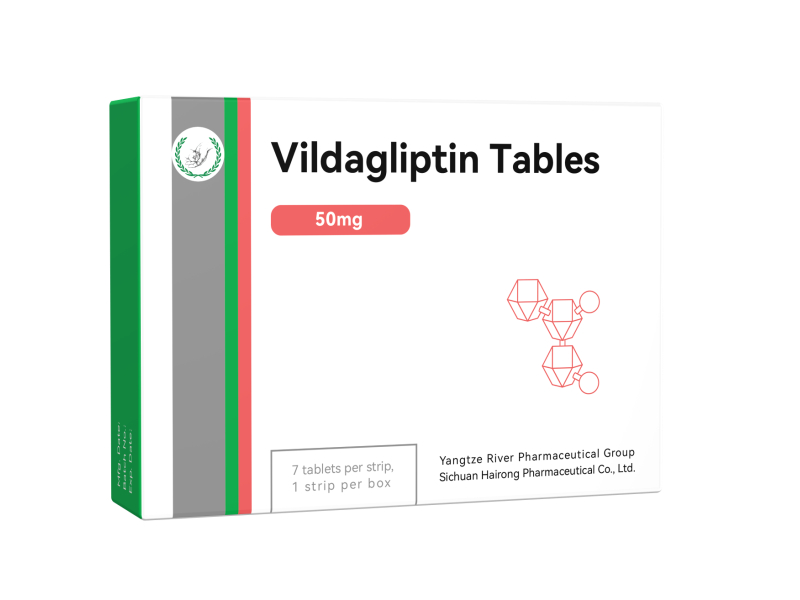
Vildagliptin Tables
Vildagliptin Tables
Strength: 50mg
Indications: Adjunct to diet and exercise to improve glycaemic control in adults with type 2 diabetes mellitus.
Dosage & administration: Oral use, the recommended daily dose of vildagliptin is 100 mg, administered as one dose of 50 mg in the morning and one dose of 50 mg in the evening.